
Quick answer
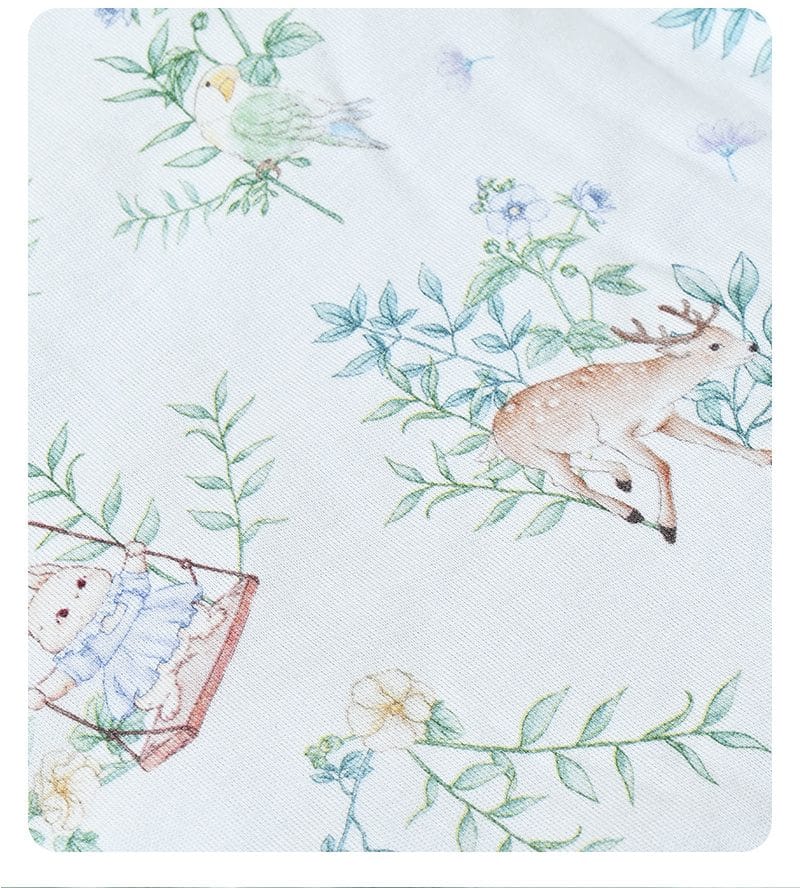
For a custom OEM baby textile order, inspect each incoming fabric lot before cutting: verify roll identity, usable width, GSM, shade grouping, print placement and visible defects against the approved reference. Record the result by lot so any deviation can be contained before sewing or filling.
Build the requirement around the finished product
Verify roll identity, lot, usable width, shade grouping, GSM and visible defects. Record the requirement in measurable language so sourcing, sampling, production and inspection teams use the same reference.
Buyer specification checklist
- Target market, intended use and retail position
- Material composition, construction and approved physical reference
- Finished dimensions, tolerances, color and workmanship
- Labels, care instructions, packaging and carton configuration
- Testing documents, inspection points and change-control process
A practical approval workflow
- Issue a dated brief with drawings and decision owners.
- Approve critical materials or components before the full sample.
- Measure the sample and review it under the intended care conditions.
- Return one consolidated, prioritized comment sheet.
- Seal the approved sample and update the specification revision.
Questions to ask the manufacturer
- Which requirements affect MOQ, cost or lead time most?
- Which materials require advance booking?
- How are substitutions and deviations reported?
- What in-line and final checks will be recorded?
Incoming fabric controls for a custom OEM RFQ
Attach a material-control sheet to the RFQ so the supplier and buyer inspect the same reference before cutting. List the approved composition, construction, GSM range, usable width, color or print standard, print repeat, hand-feel reference and any required shrinkage or colorfastness checks for each SKU.
- Identify every roll and lot, then record width, weight, shade grouping and visible defects against the approved sample.
- Keep fabric approval linked to the product dimensions, filling or layered construction, logo or care-label artwork and packaging plan.
- Document substitutions or deviations before they reach sampling, and request a revised sample when the change affects fit, appearance or handling.
- Confirm target-market testing and labeling needs after the material is frozen, rather than assuming one fabric approval covers every destination.
These controls turn a fabric check into a traceable purchasing decision for private-label baby textiles and give the supplier clear evidence for a custom quotation.
Common mistakes
Avoid approving from photographs alone, relying on vague words such as “premium,” or changing specifications after materials are booked. Requirements vary by product and destination market; confirm applicable safety, labeling and testing obligations with qualified laboratories or compliance specialists.
FAQ
When should the specification be frozen?
Freeze controllable details before the pre-production sample, then update the document only through a recorded approval.
Does a reference sample replace written requirements?
No. It helps communicate appearance and hand feel, but dimensions, tolerances, construction, packaging and compliance still need written control.
Can Lemaji assist with development?
Lemaji can review briefs, source textile options, develop coordinated samples and prepare production details for baby textile and gift-set programs.
Plan your next program
Explore our baby textile range, browse more buyer resources, or contact Lemaji with your market, quantities and reference files.
Quality planning is one stage of the OEM/ODM manufacturing and sourcing path, alongside specification, sampling and packaging.
More on quality and documentation: documentation for export programs and the factory audit checklist.