
OEM/ODM Baby Products Manufacturer & Supplier
From concept and material engineering to private labeling, production, packaging and export delivery, Lemaji helps brands turn market ideas into differentiated mother-and-baby textile programs.
- Product development
- Material customization
- Private label & packaging
- Export-ready fulfillment
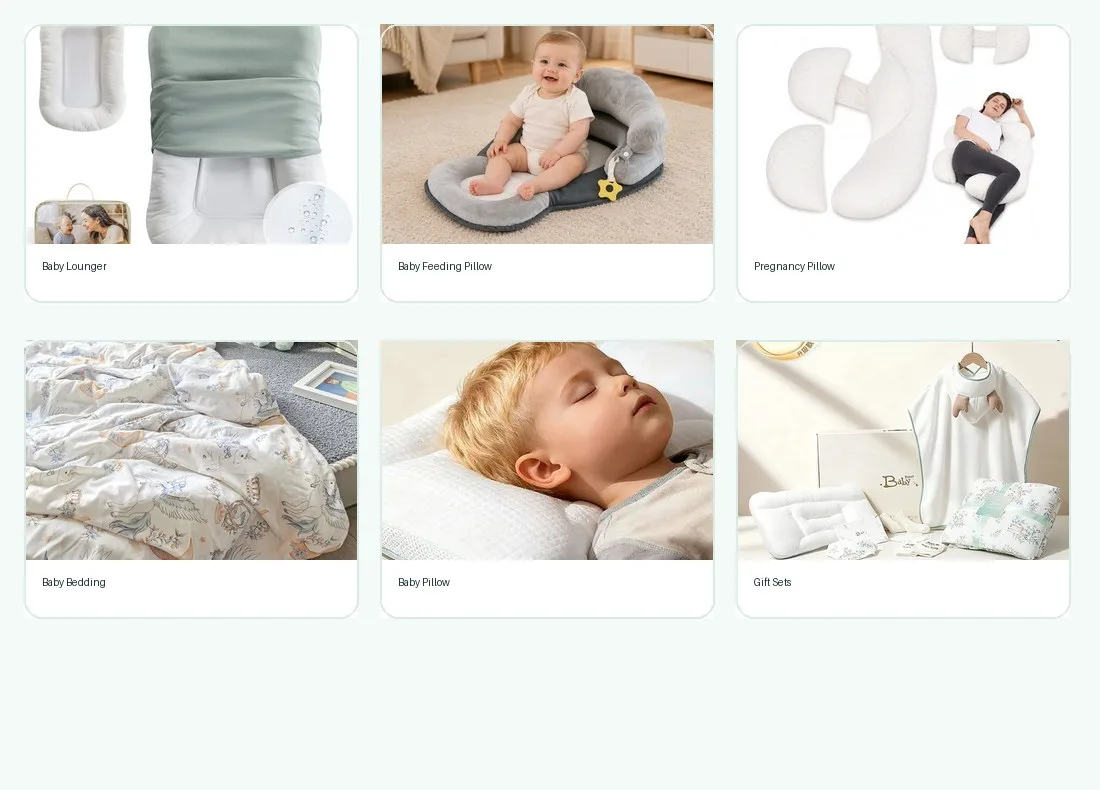
From Product Idea to Shelf-Ready Program
Send a sample, product image, specification or new concept. We help evaluate the structure, materials, function, target cost and packaging route before sampling.
Design Product Differentiation Into Every Detail
Create a collection that is recognizably yours—not another off-the-shelf product with a new logo.
Product Engineering
Adjust dimensions, firmness, filling ratio, support zones, detachable parts and multi-use configurations.
Material & Color Direction
Choose surface fabrics, fills, textures, breathability, seasonal performance and color stories for your market.
Private Label & Packaging
Customize woven labels, care labels, hangtags, insert cards, retail packs and export carton marks.
Materials That Help Your Product Stand Out
Select from functional, breathable and comfort-focused material options—or ask us to evaluate a buyer-specified material.
Material names describe available development directions. Final composition, supplier specification, testing and market suitability are confirmed for each project.
Food-Grade TPE Tubing
Flexible structural support
Bio-Based Corn Fiber Fill
Lightweight comfort filling
Warming Ginger Fiber
Seasonal warmth-focused fabric
Bamboo-Cotton Air Layer
Cushioned, breathable structure
3D Breathable Mesh
Airflow and support
Lyocell Knit
Smooth, moisture-friendly surface
Milk-Fiber Cooling Fabric
Soft, cool-touch direction
High-Polymer Crystal Fiber
Resilient engineered filling
Glue-Free Coconut Coir
Firm natural support layer
Breathable Latex
Perforated comfort support
Scale for Programs That Need Reliable Replenishment
A broad equipment base, planned inventory and logistics coordination support both new launches and repeat orders.
Real Production. Visible Process.
Explore the key stages behind custom baby textile programs—from cutting and sewing to quality checks, packing and warehouse preparation.
Drag to explore
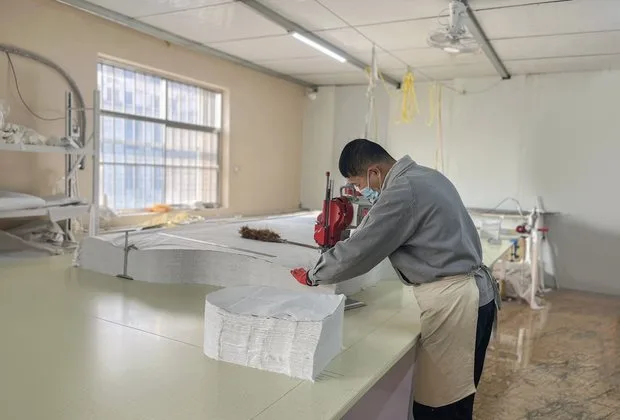
Precision Cutting
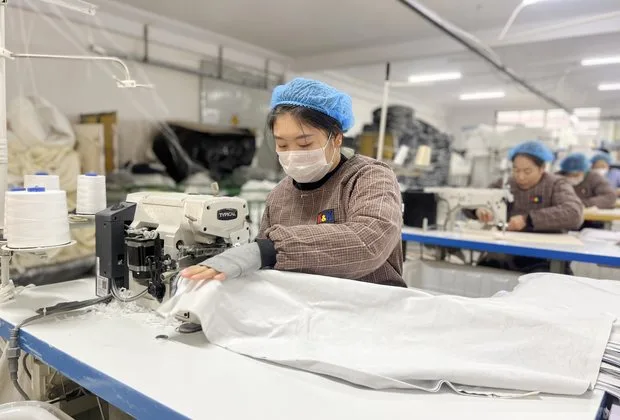
Skilled Sewing
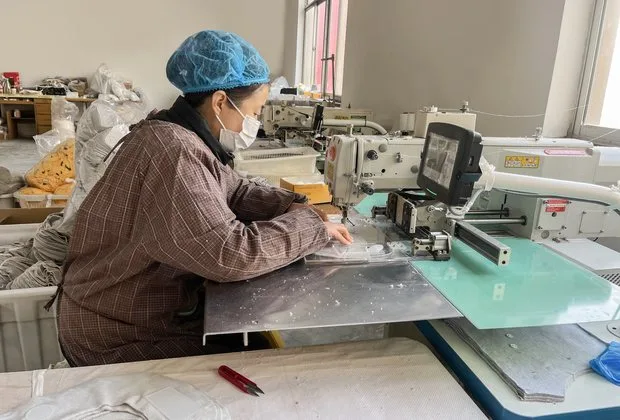
Specialist Processing
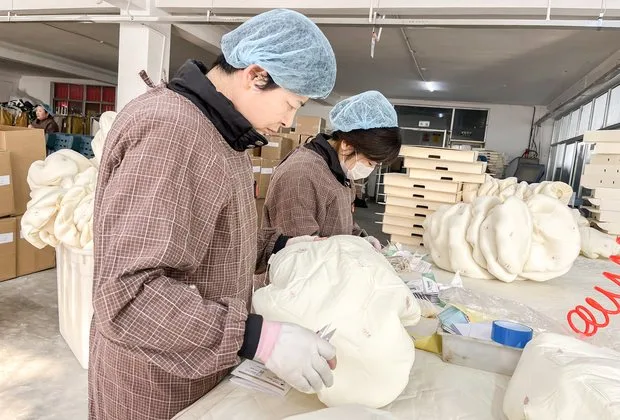
Quality Check
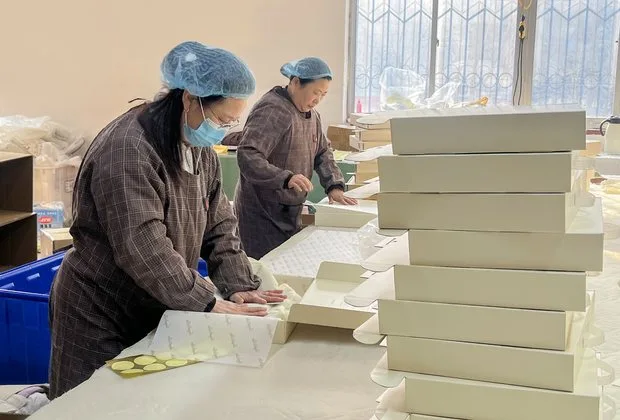
Custom Packaging
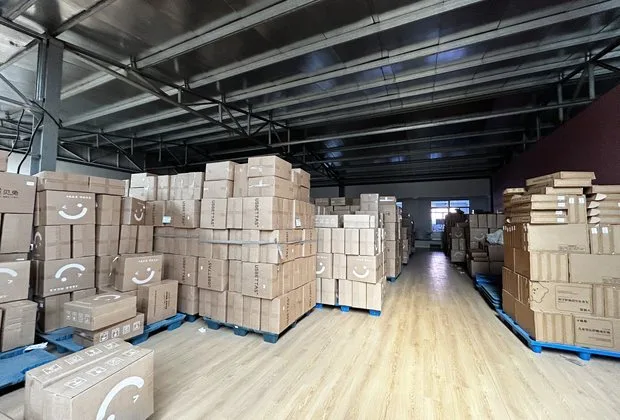
Warehouse & Dispatch
Explore Customizable Product Programs
Tap or click a product card to see the main customization directions available for private-label development.
 01
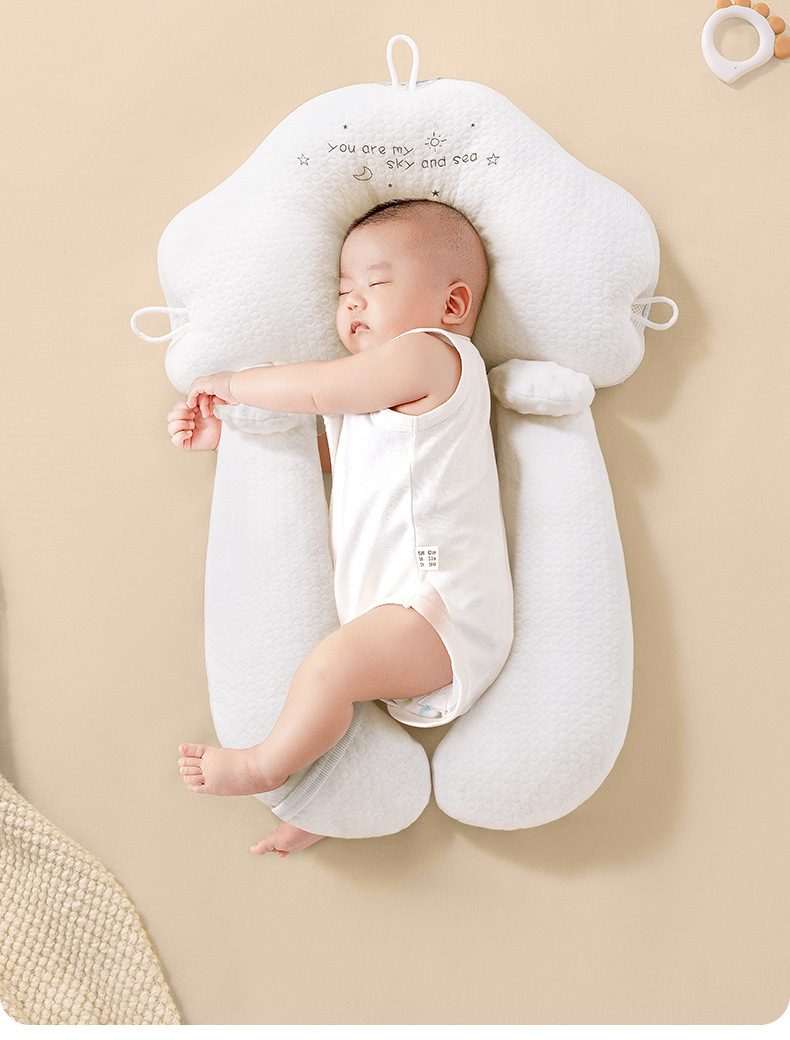
Baby Positioning Pillows
View options
Baby Positioning Pillows
View options
Customize the shape, height, support structure, cover fabric, filling, color and retail packaging.
 02
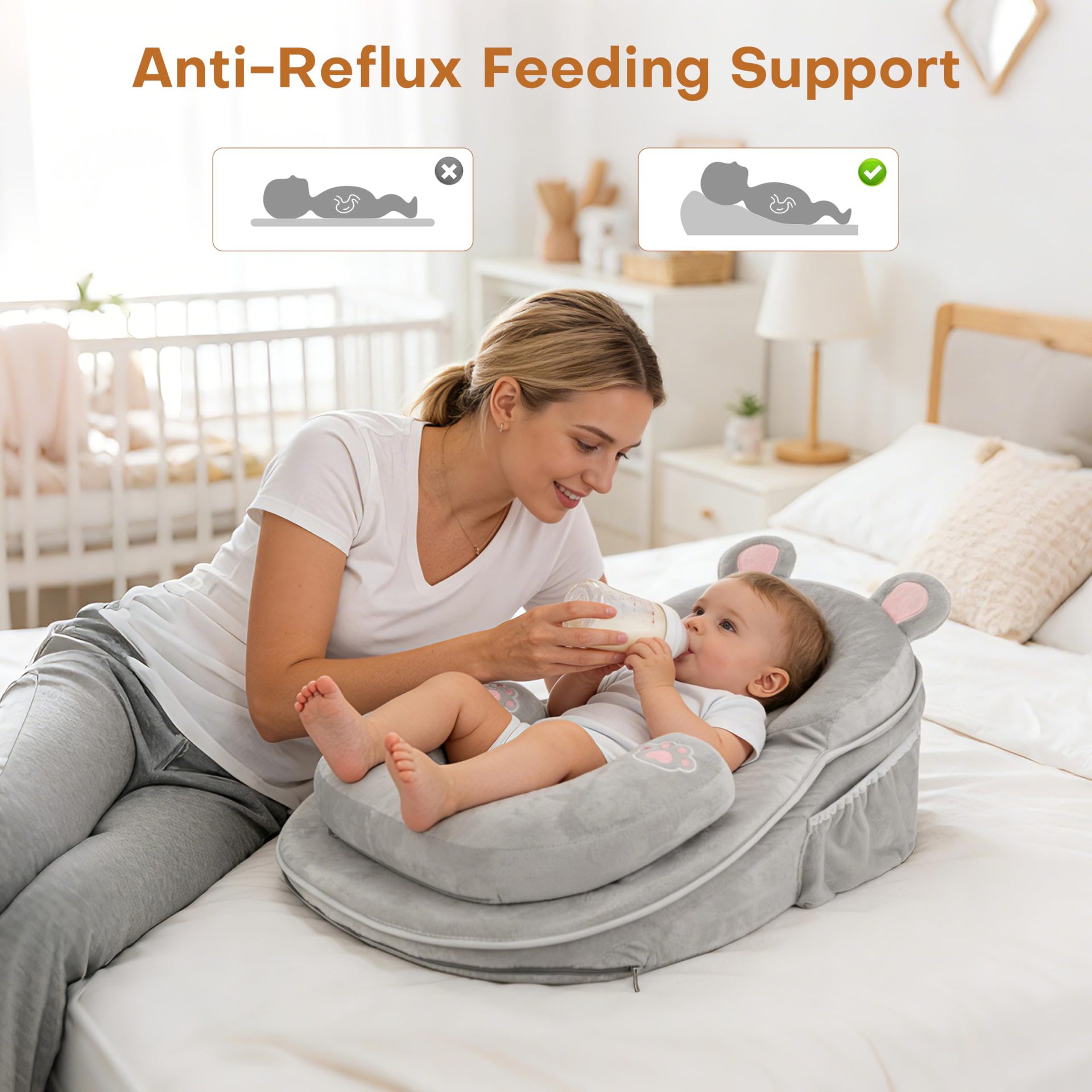
Comfort & Functional Pillows
View options
Comfort & Functional Pillows
View options
Develop support-focused concepts with tailored firmness, zones, detachable components and covers.
 03
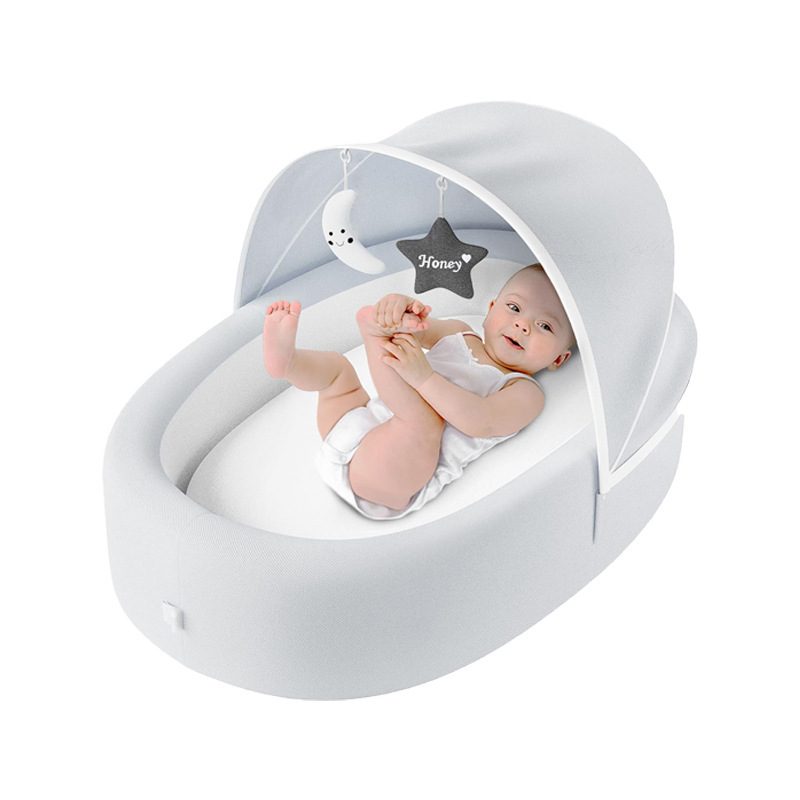
Baby Loungers
View options
Baby Loungers
View options
Choose size, side-wall construction, mattress feel, handles, removable covers and coordinated packaging.
 04
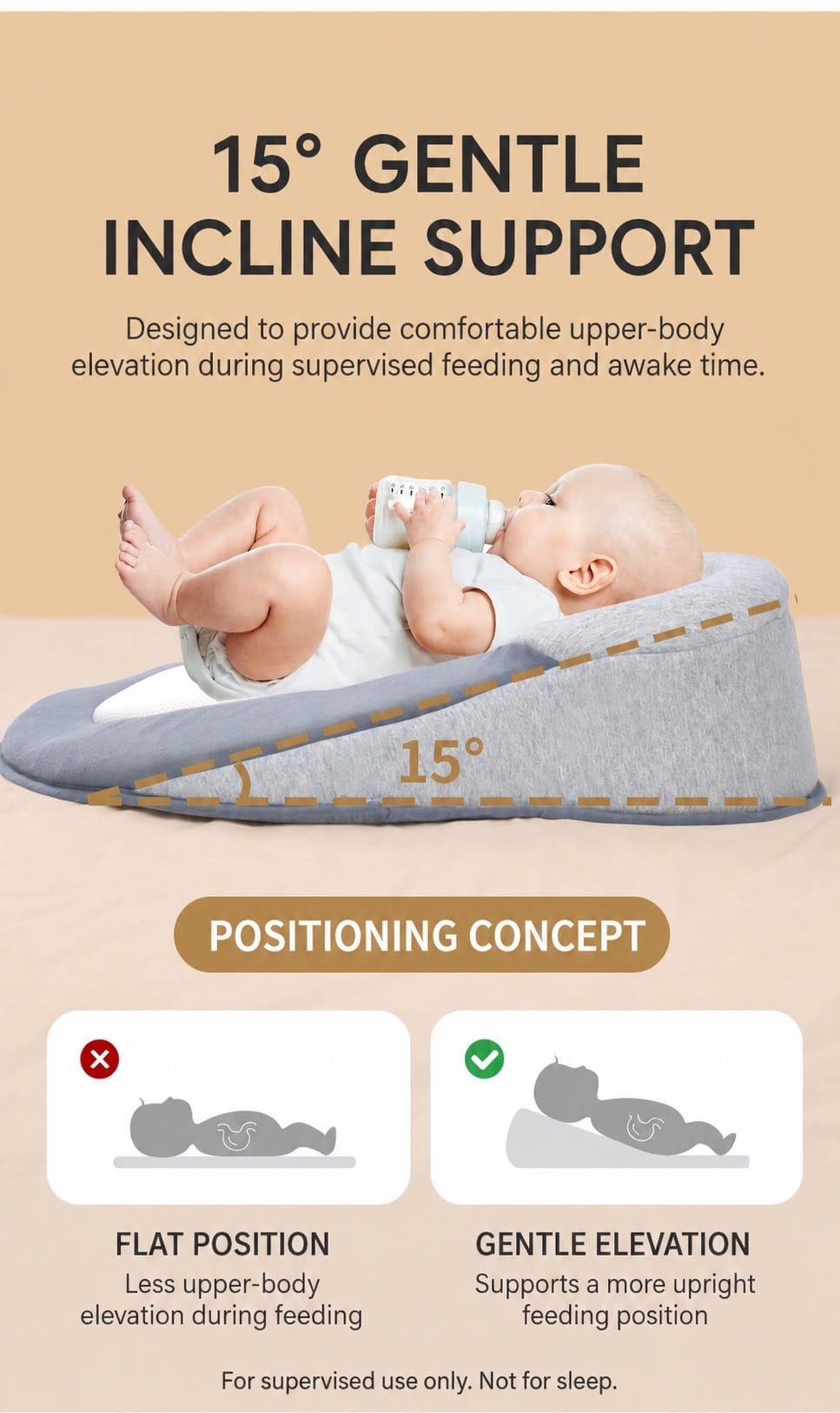
Inclined Feeding Pillows
View options
Inclined Feeding Pillows
View options
Discuss wedge angle, firmness, anti-slip details, washable covers and multi-use product combinations.
 05
Nursing Pillows
View options
Nursing Pillows
View options
Customize support profiles, filling density, fastening details, removable covers and matching accessories.
06
Children’s Pillows
View options
Children’s Pillows
View options
Develop age-appropriate dimensions, surface fabrics, fills, prints, labels and gift-ready packaging.
 07
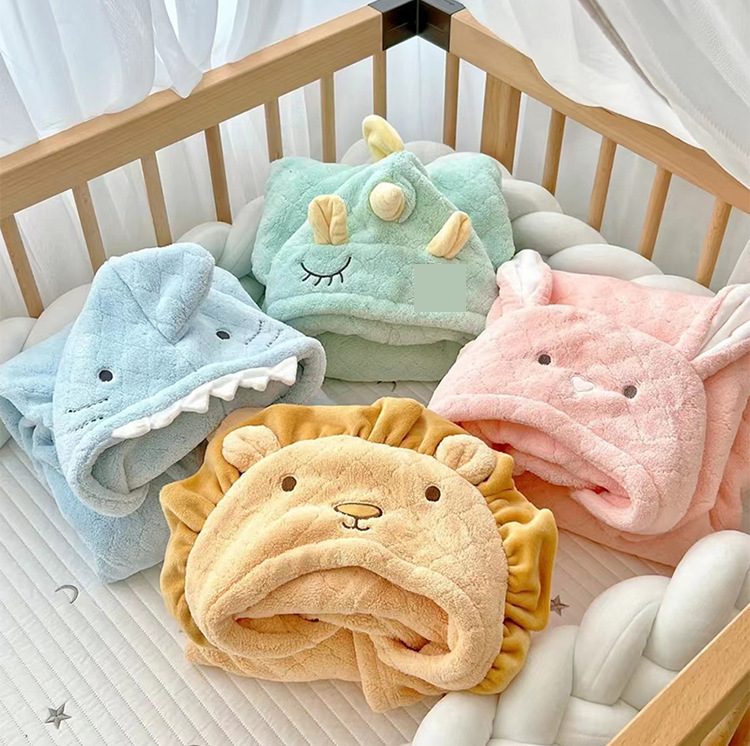
Bath Towels & Blankets
View options
Bath Towels & Blankets
View options
Coordinate fabric weight, texture, colors, prints, embroidery and multi-piece gift sets.
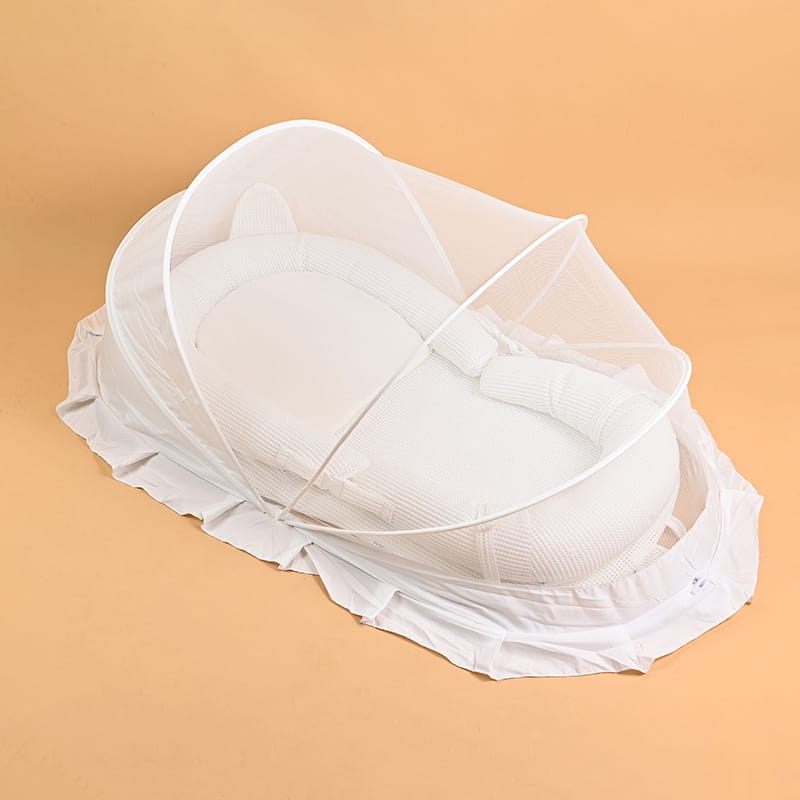 08
Baby Mosquito Nets
View options
Baby Mosquito Nets
View options
Customize dimensions, frame structure, mesh, trim colors, folding method and carry packaging.
 09
Pregnancy Pillows
View options
Pregnancy Pillows
View options
Choose full-body or targeted support forms, firmness, cover materials, colors and compressed packing.
More Efficient Packs. Faster Turnaround.
We coordinate product and shipping preparation to help buyers reduce avoidable volume, simplify receiving and control logistics costs.
Connected With Logistics Partners
Close coordination with logistics providers supports quicker handoff, practical shipping plans and opportunities to reduce freight expense.
Evidence Discussed by Product and Market
Quality control covers materials, workmanship, dimensions, filling, labels, packaging and carton details. Available certificates, test reports and third-party testing options are reviewed against the specific product and destination market.
*Availability, scope and validity vary by product, material and target market. Request current, project-specific documentation before ordering.
Product Solutions for Growing Brands
Lemaji develops product structures and applications for infant and child categories and holds multiple related product development patents. Our team helps translate buyer needs into manufacturable product solutions.
A Clear Path From Idea to Shipment
From Brief to Approved Sample: The OEM/ODM Sourcing Path
Whether you start from an existing construction or a blank brief, the steps that decide the outcome are the same: a written specification, an agreed sample, confirmed branding and packaging, and a quality plan for the production run. The guides below are grouped by the stage where sourcing teams usually need them.
Choose a development route: existing design or full development
Private label work starts from an existing pattern and changes the branding layer — fabrics, colours, woven labels, hangtags and retail packs. OEM starts from your specification or reference sample, where the construction itself is defined by you. Full ODM development starts from a concept and asks for pattern work, material selection and several sample rounds. Each route changes the sampling plan, tooling and lead time, so it is worth fixing the route before asking for a quotation. Buyers often combine routes within one collection: an established pillow shape in a new fabric alongside one newly developed item.
What to put in the RFQ
A useful RFQ is a document, not a message. Include the product category, target dimensions and tolerances, fabric and filling requirements, colour references, quantity range per SKU, destination market, packaging format, label and artwork status, and the inspection scope you expect. If you have a reference sample, say what must match and what may change. A written specification sheet and a shared glossary remove most of the back-and-forth before sampling, and they make quotations comparable between suppliers. Wholesale programs with several SKUs also benefit from planning quantities and packing early, so the production schedule is realistic.
Samples, labels and packaging
Development runs on revisions. We work from a written brief, produce samples, log changes and confirm a golden sample before production; the approved sample is what the bulk run is checked against. Lab dips settle colour before fabric is cut, and woven labels, care labels, embroidery, printing, hangtags, insert cards and carton marks are confirmed at the same stage. Retail and e-commerce packs have different constraints — shelf presentation versus parcel dimensions and transit handling — so the packaging format belongs in the specification rather than at the end of the project.
Quality checks and documents
Incoming fabric inspection, in-line checks and final AQL inspection are planned against the approved sample and the buyer’s inspection scope. Document availability depends on product structure and destination market; we confirm the applicable scope during project communication rather than making a blanket statement. A factory audit checklist is a practical way to compare development capability between suppliers before placing a first order.
Buyer Guides by Development Stage
Each guide covers one question in the path above. Start with the stage you are in, then work forward.
1. Choosing a model and a manufacturing partner
- OEM vs ODM baby products: which fits your brand — where design ownership and development work sit.
- OEM vs ODM vs private label buyer guide — all three models compared, including sampling and branding.
- Evaluating a factory’s development capability — questions to ask before a first order.
2. Preparing the enquiry and specification
- How to build a baby product specification sheet — the fields that make an RFQ answerable.
- Baby textile OEM glossary — shared terms for fabrics, fills, trims and processes.
- Reducing sample revisions — how to brief clearly the first time.
- Production lead time planning — sequencing development and bulk production.
- Multi-SKU collection planning — structuring quantities across a coordinated range.
3. Sampling and material approval
- From reference to approved sample — a stage-by-stage development checklist.
- Golden sample vs pre-production sample — what each approval means.
- Materials, customization and sample development — available directions and how they are confirmed.
- Colour matching and lab dip approval — fixing colour before cutting.
4. Labels, branding and packaging
- Embroidery, printing and woven labels — branding methods and artwork requirements.
- Retail and e-commerce packaging — shelf and parcel requirements compared.
- Custom packaging for baby gift sets — set formats, inserts and coordinated presentation.
5. Quality control, audit and documentation
- Baby textile factory audit checklist — what to review on a supplier visit.
- AQL inspection guide for buyers — setting an inspection scope.
- Incoming fabric inspection checklist — checking material before production.
- Documentation for export programs — how scope is set by product and market.
Common Questions from Sourcing Teams
What is the difference between OEM, ODM and private label here?
OEM starts from your specification or reference sample. ODM starts from a concept and asks us to develop the construction. Private label starts from an existing pattern and changes the branding layer. Our OEM vs ODM guide explains where design ownership sits in each case.
What should we send to get a usable quotation?
A product reference or specification, target dimensions, fabric and filling requirements, quantity range per SKU, destination market, packaging format, label and artwork status, and your expected inspection scope. A specification sheet is the fastest route to a comparable answer.
Can we develop from a reference sample?
Yes. Send the sample or detailed photographs with dimensions, and mark what must match and what may change. We build a written brief from it and confirm the construction on physical samples before production.
Can one program mix existing designs and new development?
Yes. A coordinated range often combines an established shape in a new fabric with one newly developed item. Each specification is approved separately, while approvals, labelling and packaging stay consistent across the collection.
Which documents can you provide for our market?
Document availability depends on product structure and destination market. We confirm the applicable scope during project communication rather than making a blanket statement; see the quality control overview for how checks are planned.
See also our baby textile factory, the quality control process, or send a sourcing brief.
Ready to Create a More Distinctive Product?
Send your product reference, target market, quantity range and customization priorities. We will help define a practical development and quotation route.