
Last updated: August 2026 · Reviewed by the Lemaji product development team
For brands, importers and wholesalers sourcing baby textile products, choosing between OEM and ODM affects product control, development time, sampling cost and the information a factory needs before quotation. The two models are related, but they are not interchangeable.
This guide explains the practical difference between OEM and ODM baby products, what buyers should prepare, and how to choose the right development route for baby bedding, nursing pillows, baby pillows, loungers and other soft baby products.
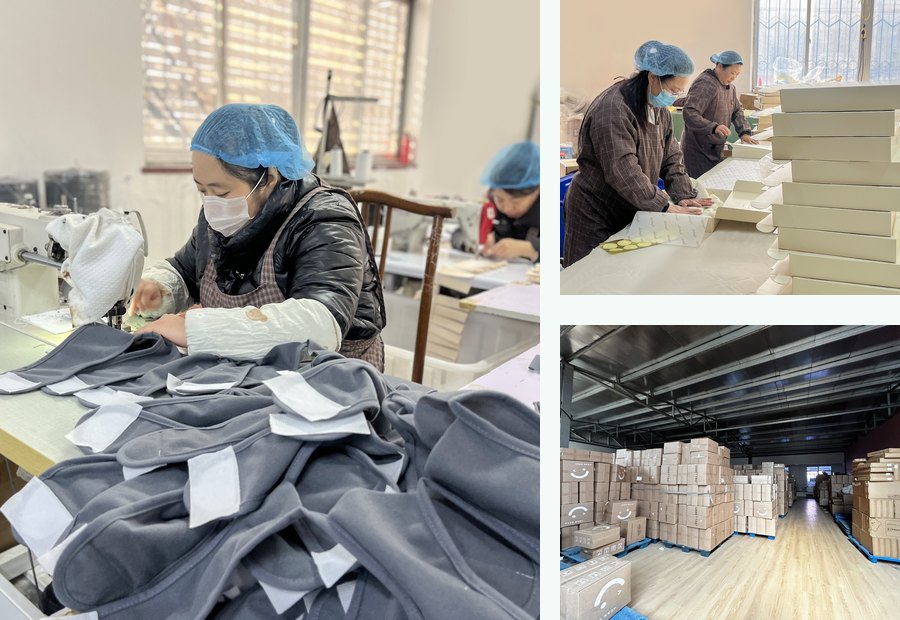
What Does OEM Mean for Baby Products?
OEM means original equipment manufacturing. In an OEM project, the buyer normally provides an existing design, reference sample, technical specification, dimensions, artwork or packaging requirements. The factory manufactures the product according to the confirmed information.
OEM is usually suitable when a buyer already knows the product structure and wants greater control over dimensions, materials, functions and brand presentation. It can also be used when adapting an existing product for a different sales channel or market.
Information commonly needed for an OEM project
- Product photos, drawings, technical pack or physical sample
- Required dimensions and acceptable tolerances
- Fabric composition, filling and target hand feel
- Color references, print files and embroidery artwork
- Woven label, care label, barcode and packaging files
- Target order quantity, destination market and delivery plan
What Does ODM Mean for Baby Products?
ODM means original design manufacturing. In an ODM project, the manufacturer provides an existing product direction, construction or design platform that the buyer can select and customize. Common adjustments include fabric, color, print, filling, label, accessories and packaging.
ODM is often a practical starting point for new brands, e-commerce sellers or retail buyers who want to shorten development time and reduce the number of structural decisions required before sampling.
An ODM product is still not automatically ready for every market. The final material, labeling, warnings, packaging and product claims must be reviewed for the destination market and intended use.
OEM vs ODM: Practical Comparison
| Buyer Question | OEM | ODM |
|---|---|---|
| Starting point | Buyer design, sample or detailed specification | Manufacturer design or existing product platform |
| Development control | Higher control over structure and details | Faster selection from proven options |
| Sampling time | May require more revisions | Usually faster when the base structure is retained |
| Best suited for | Established brands and differentiated products | New programs, market testing and faster launches |
| Buyer preparation | Detailed specifications and approved artwork | Target market, quantity, style and customization brief |
| Packaging | Fully buyer-defined where feasible | Standard or customized packaging options |
How to Choose the Right Model
Choose OEM when:
- You have a reference sample, design file or technical pack.
- Product dimensions and construction must follow a defined specification.
- Your brand requires a differentiated structure or coordinated collection.
- You can provide clear artwork and approve development samples.
Choose ODM when:
- You want to start from an available product platform.
- Your main customization needs are fabric, color, label and packaging.
- You are testing a category before investing in a new structure.
- You want to reduce early development decisions and move to sampling faster.
Some projects use a hybrid approach. A buyer may select an ODM base product and then make OEM-level changes to dimensions, removable parts, fabric combinations or packaging. The factory should confirm feasibility before quotation.
What Affects MOQ, Sampling and Price?
There is no single MOQ or price that applies to every baby textile product. The most important cost drivers are product structure, fabric minimums, filling, color quantity, print method, accessories, labels and packaging.
- Fabric and color: custom-dyed or printed fabrics may require higher material minimums.
- Structure: new patterns, molds or removable components can increase development work.
- Branding: embroidery, woven labels, hangtags and inserts have separate setup requirements.
- Packaging: gift boxes and shelf-ready packaging normally have different minimums from neutral export cartons.
- Testing: product-specific testing depends on the final design, materials, claims and destination market.
For a faster quotation, send the factory a target quantity range instead of asking only for “the best price.” A realistic quantity helps the supplier evaluate material purchasing, production method and packaging.
A Typical OEM/ODM Development Process
- Requirement review: confirm the product type, market, quantity, customization and target timeline.
- Feasibility check: review structure, materials, available documents and expected cost drivers.
- Sampling: prepare a sample using the agreed fabric, filling and accessories where possible.
- Sample approval: confirm dimensions, workmanship, labels, packaging and revisions.
- Bulk production: manufacture according to the approved sample and order details.
- Quality and packing checks: review materials, sewing, filling, finished dimensions, labels and cartons.
- Shipment coordination: confirm packing list, commercial documents and agreed shipping terms.
See Lemaji’s OEM and ODM manufacturing process and baby textile quality control process for more detail.
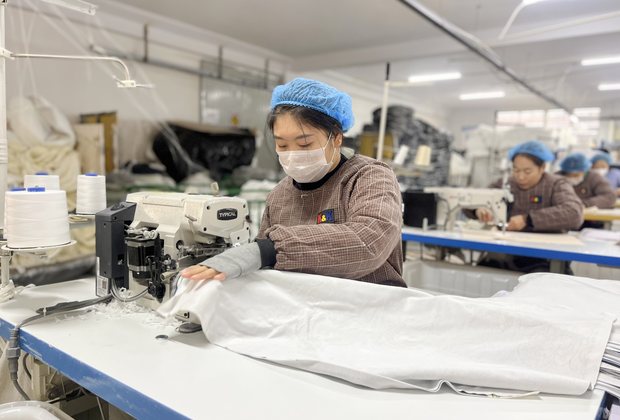
Documentation and Compliance Questions
Buyers should avoid assuming that one certificate applies to every product. Some documents relate to the factory management system, some relate to a material, and others must match the final finished product.
Before bulk production, confirm the product category, intended use, destination market, labeling, packaging statements and any required testing. Available documents can then be reviewed against the final specification. Visit the certificates and test report support page for the types of documents that may be available.
Questions to Send a Manufacturer
- Do you recommend OEM, ODM or a hybrid route for this product?
- What information is required before an accurate quotation?
- Which parts of the product can be customized?
- What affects the MOQ for each color and package?
- Will the sample use production fabric and accessories?
- How are sample changes recorded before bulk production?
- Which quality checks are performed during and after production?
- Which documents are available for this material and product direction?
Frequently Asked Questions
Is OEM always more expensive than ODM?
Not always. Cost depends on the extent of structural changes, material minimums, sampling work, accessories and packaging. A simple OEM project with a complete specification may be efficient, while an ODM product with many custom changes may require more development.
Can a small brand start with ODM and move to OEM later?
Yes. Many buyers begin with an existing product platform, learn from the first order, and add structural or collection-level customization in later programs.
What should I send for an initial quotation?
Send the product reference, estimated quantity, destination market, required fabric or function, branding needs, packaging direction and target schedule. This is usually enough for an initial feasibility review.
Start an OEM or ODM Baby Product Project
Lemaji supports custom baby bedding, nursing pillows, baby pillows, baby loungers and related soft baby products for brands, importers, wholesalers and retail programs. Review the baby product manufacturing categories, visit the factory information page, or send your product reference and quantity range for discussion.