

Choosing the right baby pillow manufacturer is one of the most important decisions in a private-label product project. The supplier affects product comfort, consistency, packaging, lead time and the amount of work your team must do after production begins. A low quotation alone does not show whether a factory can translate your design into a repeatable, market-ready product.
Baby Pillow Manufacturer: Quick Answer
For B2B buyers: this guide explains the key product specifications, customization choices, compliance questions, sampling process, MOQ considerations and supplier checks needed before placing a private-label order.
- Define first: target market, materials, dimensions, quantity and branding requirements.
- Verify: physical samples, test scope, quality standards, packaging and production timeline.
- Use this guide to: prepare a clearer RFQ and compare manufacturers on equivalent requirements.
This guide explains how importers, baby brands, distributors and retailers can evaluate manufacturers before placing an order. It also includes a practical checklist for comparing quotations and samples.
1. Start With Relevant Baby Pillow Manufacturing Experience
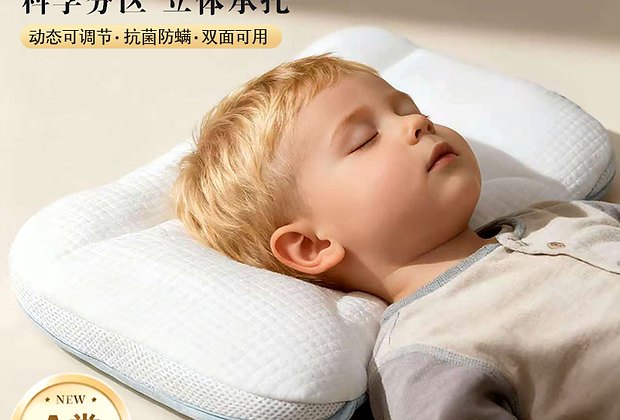
A general textile factory may be able to sew a pillow, but baby and toddler products require more careful decisions around size, filling distribution, seams, removable covers, labeling and age positioning. Ask potential suppliers which pillow constructions they already produce and whether they support custom development.
A capable manufacturer should be able to discuss the differences between fiber-filled pillows, foam constructions, contoured shapes, flat designs and removable-cover systems. The team should also explain which processes are completed in-house and which are outsourced. This helps you understand who controls cutting, sewing, filling, inspection and packing.
- Request examples of comparable products, not unrelated textile items.
- Ask how long the factory has produced baby or children’s soft goods.
- Confirm whether pattern making, sampling and bulk production are coordinated by the same team.
- Check whether the supplier can document materials and production specifications.
2. Define Materials and Construction Before Requesting a Final Quote
Two pillows that look similar in a photograph can have very different costs and performance. Fabric composition, fabric weight, filling type, filling weight, zipper quality, piping, embroidery and packaging all affect the quotation. A reliable supplier will clarify these details instead of quoting from a reference image alone.
Prepare a specification sheet that includes target dimensions, tolerance, cover fabric, inner fabric, filling, product weight, color references, print method, label requirements and packaging. If you do not yet have a complete specification, choose a manufacturer that can guide you through the decisions during its OEM and ODM development process.
3. Review the Sampling Process
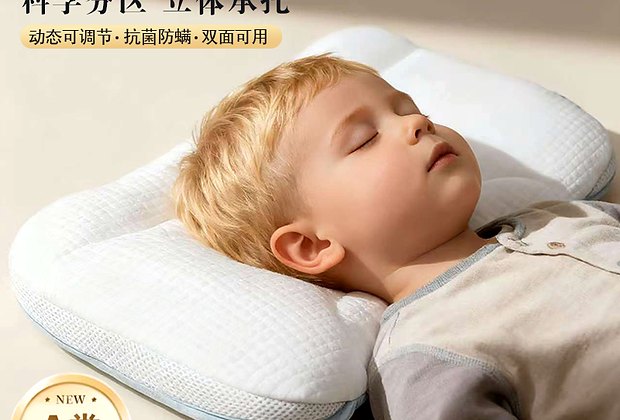
Sampling is where a private-label idea becomes a physical product. Before paying a sample fee, ask what the fee includes, how many revisions are allowed and how long each round normally takes. Confirm whether printed fabrics, custom labels and retail packaging will be included in the first sample or added after the basic construction is approved.
When the sample arrives, evaluate dimensions, shape, filling distribution, surface appearance, seam strength, zipper operation, label placement and packaging fit. Record feedback with photographs and measurements. Avoid comments such as “make it softer” without a measurable target; specify the change in filling weight, material or construction whenever possible.
4. Understand MOQ, Capacity and Lead Time
Minimum order quantity is influenced by more than sewing capacity. Custom-dyed fabric, printed fabric, filling materials, woven labels, packaging and cartons may each have their own minimums. Ask the manufacturer to separate these factors so you can see which customization choices increase the MOQ.
For a first order, a slightly higher unit cost with controlled inventory may be better than buying more stock than the market can absorb. Discuss whether the factory can use stock fabrics for the initial run and move to custom-dyed materials after demand is proven. Also confirm peak-season capacity, material preparation time and whether the quoted lead time begins after deposit, sample approval or receipt of packaging files.
5. Check Quality Control and Market Requirements
Quality control should be a documented process, not a final glance before shipping. Ask how the factory checks incoming fabric, cutting, sewing, filling, dimensions, appearance, labeling and packing. Request the inspection standard and acceptable tolerance for the measurements that matter to your product.
Baby-product requirements vary by destination market, intended age and product positioning. Define these details before testing or production. Your supplier should support material documentation and relevant third-party testing, but the importer or brand owner should confirm the applicable regulations with a qualified laboratory or compliance adviser. Avoid unsupported medical, sleep-safety or therapeutic claims in product descriptions.
Review the manufacturer’s quality-control workflow and ask which certificates and test reports can be provided for your specific materials and order.
6. Evaluate Customization and Private-Label Support
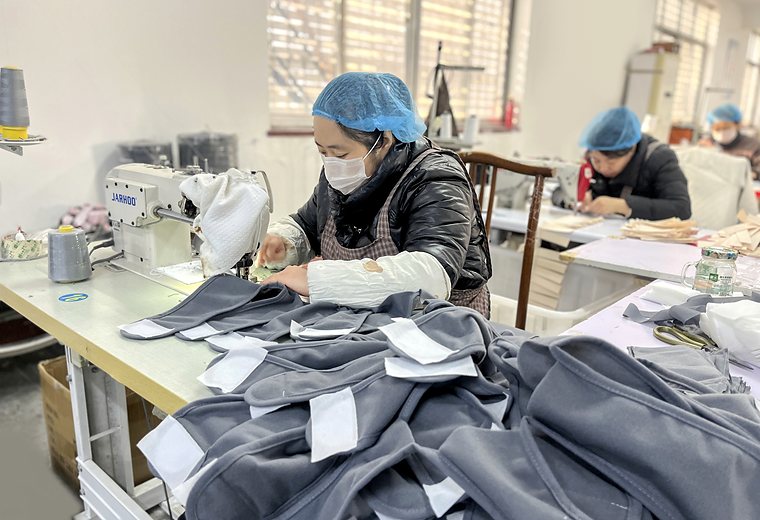
Private-label support should cover more than attaching a logo. Depending on your project, you may need custom dimensions, patterns, fabric colors, embroidery, woven labels, care labels, inserts, polybags, color boxes or shipping cartons. Ask which files the factory requires and who checks artwork dimensions, barcode placement and mandatory label information.
It is useful to choose a supplier that can manage the product and packaging as one project. This reduces the risk that the pillow dimensions change while the box design remains unchanged. You can review Lemaji’s custom baby pillow manufacturing options to see the types of development details that should be discussed.
7. Assess Communication and Project Management
Fast replies are helpful, but accurate replies are more important. During the quotation stage, observe whether the supplier confirms specifications, identifies missing information and records revisions. A good project manager should provide clear milestones for material confirmation, sampling, pre-production approval, bulk production, inspection and shipment.
Keep a single approved specification and require written confirmation when any material or process changes. This reduces misunderstandings when several people are involved in the project.
Questions to Ask Every Baby Pillow Manufacturer
- Which similar baby or toddler pillows do you currently manufacture?
- Which production steps are completed in your own factory?
- What information do you need for an accurate quotation?
- What are the MOQ requirements for the product, fabric, labels and packaging?
- How many sample revisions are included?
- What quality checks are performed during production?
- Can you support third-party testing for the destination market?
- How do you control filling weight, dimensions and stitching consistency?
- What is the realistic lead time after sample approval?
- What happens if bulk goods do not match the approved sample?
How to Compare Supplier Quotations Fairly
Do not compare only the final unit price. Put every quotation into the same comparison sheet and confirm that the specifications are equivalent.
| Item | What to Confirm |
|---|---|
| Product | Dimensions, construction, filling type and filling weight |
| Fabric | Composition, weight, finish, color and print method |
| Branding | Logo method, labels, care instructions and barcode |
| Packaging | Individual packaging, inserts, retail box and master carton |
| Quality | Inspection standard, tolerances and testing responsibilities |
| Commercial terms | MOQ, sample fee, tooling, payment terms, lead time and shipping terms |
Frequently Asked Questions
What is a typical MOQ for a custom baby pillow?
MOQ depends on the pillow construction and the minimums for fabric, filling, labels and packaging. A supplier can provide a reliable MOQ only after these specifications are defined.
How long does private-label baby pillow development take?
The schedule usually includes specification confirmation, material sourcing, one or more sample rounds, packaging approval and bulk production. Custom-dyed or printed materials generally require more time than stock materials.
Can a manufacturer copy a reference product exactly?
A reference sample can communicate size and construction preferences, but brands should avoid infringing another company’s protected design, artwork or trademark. Ask the manufacturer to develop an original specification for your brand.
Next Step: Prepare a Clear Sourcing Brief
The best way to receive an accurate quotation is to send a clear brief with your target dimensions, materials, quantity, market, packaging and expected delivery date. Lemaji supports custom baby pillow development, sampling, labels and packaging for private-label projects. Contact our team to discuss your product specification and receive a project-based quotation.