
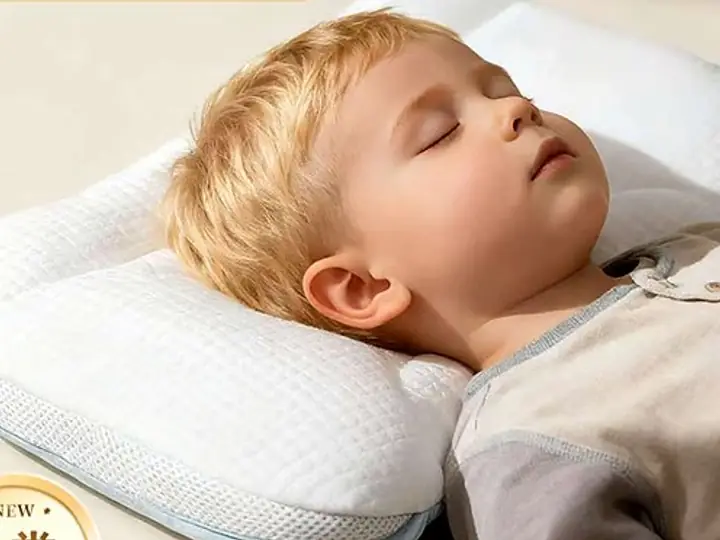
Sourcing baby and kids pillows from a manufacturer should be straightforward — but the difference between a reliable OEM partner and a risky one shows up in materials, certifications, and consistency across repeat orders. This guide covers what B2B buyers (brands, importers, distributors, Amazon and Shopify sellers) need to know before placing an order.
Baby Pillow OEM: Quick Answer
For B2B buyers: this guide explains the key product specifications, customization choices, compliance questions, sampling process, MOQ considerations and supplier checks needed before placing a private-label order.
- Define first: target market, materials, dimensions, quantity and branding requirements.
- Verify: physical samples, test scope, quality standards, packaging and production timeline.
- Use this guide to: prepare a clearer RFQ and compare manufacturers on equivalent requirements.
Why work with a baby pillow OEM
A private-label or OEM pillow program lets you control the product: fabric, fill, size, logo, labels, and packaging — without running a factory. The right partner helps you build a differentiated line instead of competing on price alone.
Product range we support
Pillows sit within a full maternity-to-kids textile line: infant pillows, kids pillows, nursing/feeding support pillows, pregnancy pillows, and related bedding. A single fabric + color + label + packaging system can run across the whole range for a coherent brand look.
Materials and customization
- Fabrics: cotton, bamboo fiber, dotted plush, 3D embossed plush, knit, crystal plush, oxford and more.
- Branded material options: Tencel, INVISTA, YKK, Sorona, Cell Solution, WarmGinger (verify per program).
- Every fabric batch is tested for composition and weight on incoming inspection.
- Full branding: logo, woven label, care label, hangtag, and packaging.
Compliance and testing
Testing and labeling requirements depend on the finished product, age range, intended claims, materials and destination market. For a custom program, the buyer and qualified compliance specialists should confirm the applicable scope before production. Ask for current, product-relevant reports and verify the certificate holder, tested configuration and validity; do not rely on a generic “compliant” statement. Lemaji can help map the documentation and sample requirements for the requested market.
MOQ, sampling, lead time
- MOQ depends on the pillow construction, fabric, filling, color, artwork, labels, packaging and order configuration.
- For a first quotation, send the target quantity and complete component brief so the product and material MOQ can be checked together.
- Sampling timing depends on material availability, artwork, packaging complexity and feedback; bulk production starts after the production-intent sample is approved.
- Lead time should be confirmed against the agreed bill of materials, testing scope and packaging plan.
- Trade terms can be quoted on the requested basis, such as EXW or FOB Qingdao.
Quality control
Three inspection gates: incoming fabric test → in-production check (every 200 pcs sampled) → full inspection before shipment. Repeat orders hold weight deviation within 5% across five re-orders, helping keep your return risk low.
How to start
Send the product you’re interested in, estimated quantity, target market, and customization needs. We return a quotation and a sampling plan.
FAQ
What is the MOQ for custom baby pillows?
There is no single MOQ for every custom pillow. The practical minimum depends on the construction, fabric, filling, color, artwork, labels and packaging. Include your target quantity and specification in the RFQ so the manufacturer can confirm a realistic product and material MOQ.
How long does sampling take?
Sampling time depends on material availability, artwork, packaging and the number of revision rounds. Agree the sample scope and approval checkpoints in advance; production should begin only after the production-intent sample is accepted.
What certification or test documents should buyers request?
Request current, product-relevant documents for the intended market and verify their scope, holder, tested configuration and validity. The required evidence depends on the finished product, materials, claims and destination; a generic certificate list is not a substitute for a product-specific compliance plan.
Can you do private label and full packaging?
Yes — logo, woven label, care label, hangtag, and custom packaging (vacuum compress, PE bag, blister, color box, gift box, export carton).
Do you support small new brands?
Yes. New brands can start from 300 pcs × 2 designs, then expand to ~6 designs within 30 days as sales confirm, without overstocking.
Plan a custom baby pillow RFQ
For a usable quotation, include the pillow construction, target age range, dimensions, fabric and filling preferences, logo or label needs, packaging, destination market, target quantity and requested testing scope.
Compare filling options · Choose an OEM, ODM or private-label model · See a customizable pillow program · Send your RFQ to Lemaji
Pingback: Baby Textile Certifications for OEM Buyers | OEKO-TEX & SGS
Pingback: OEM vs ODM vs Private Label Baby Products | Buyer Guide